Showing posts with label kids. Show all posts

Bonding with Baby

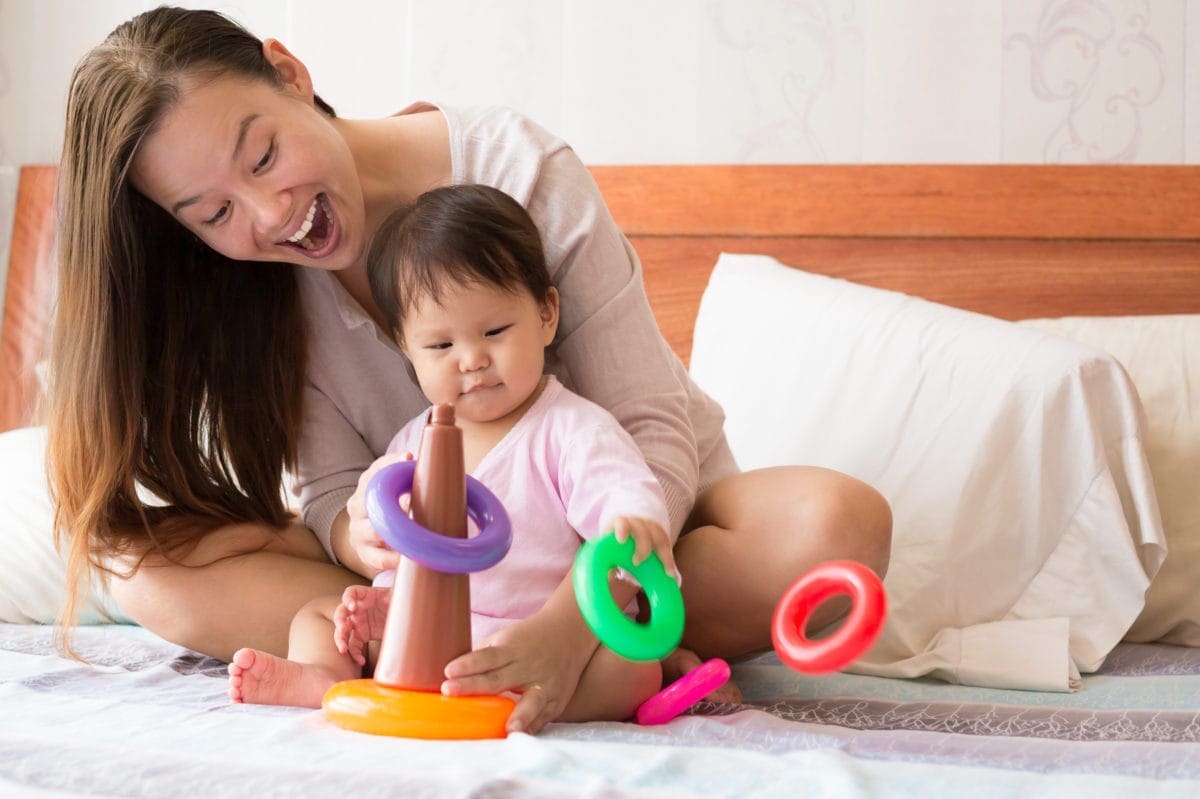
Baby bonding and playing with mother

Bonding is a special connection you have with your baby. Bonding with your baby is not a one-time event. It is a process that takes time. For some people, bonding begins at birth. For other people, it can start several weeks later. Bonding can continue to occur when your child gets married and has their own kids.
Babies rely on their parents for all care. A lot of bonding happens while you’re providing your baby’s basic needs. You may become emotional or have feelings of joy and relief.

Why is bonding important?

Your baby’s bond with you is the first he or she has with anyone. They begin to form trust, security, and confidence. Lack of bonding has effects on both you and your baby. You might not have deep feelings of closeness. You both might struggle with self-esteem. They could have a hard time forming future bonds. It also could slow your baby’s mental or social growth.
Try not to focus on what you think is normal. Each child and bonding experience is unique. Talk to your doctor if you are worried about bonding or how your child is developing.

Things to consider

Bonding with your baby is a process. It even can start during pregnancy. You can connect to your baby by talking to them in the womb. You interact with them when they kick your stomach. Partners should be in the delivery room and visit your baby in the nursery after birth. You also can ask your doctor to share a hospital room with your baby.
Certain everyday events lend themselves to bonding. You spend time with your baby during feedings, baths, and diaper changes. You also sleep near your baby. You can have a separate crib in your room or one that attaches to your bed.
There are other ways to promote bonding. Some babies, like premature ones, need extra movement. Infant massage can help increase flow and relax nerves. Be careful because newborns are growing and might be fragile. Talk to your doctor and educate yourself before trying a massage.
You also can include your baby in daily activities. Wear them in an approved carrier while running errands. Place them in a seat so they can watch you doing chores or working.
Some things can delay or prevent bonding, such as:
  • Painful or difficult delivery.
  • Multiple babies at once or other children.
  • Premature birth or baby with health issues. It can be hard to bond with your baby when they need to stay in the hospital. Or they might have a device or condition that acts as a barrier. Work with your doctor and hospital staff on other ways to bond with your baby.
  • Adoption or foster care. It might seem harder to bond with your baby if you didn’t carry and deliver them. Bonding is not related to genes. It might just take extra time to get to know and bond with them.
  • Hormonal changes or emotional issues. Some women suffer from postpartum (after-birth) depression and need medical help.
None of these suggest you are a bad parent. In fact, you are doing great by providing your baby’s basic needs. You can get creative on how to interact with your baby. Maybe they like something different or new. Try not to get down if it takes longer than you thought it would. Consult your doctor for advice if you are worried.

Communication

You are getting to know your newborn as much as they are getting to know you. Babies can’t talk, but there are other ways to communicate. Their senses, like touch and sound, are sensitive. Doctors recommend moms and dads have skin-to-skin contact with their baby. You can stroke their skin or give them kisses. Take turns holding, cradling, and rocking your baby. Assist your baby to feel your hair and face, and other things around them.
As your baby’s eyes adjust, they will make better eye contact with you. They will start to watch you and copy your moves and looks. Your voice also is a big part of bonding. Babies react to different voices and tones. Calm and happy voices tend to be soothing. Loud, harsh voices make babies anxious.
Your baby’s first verbal response is crying. This is how they tell you they need something. Sometimes, it might seem like all they do is cry. Babies respond differently, so take time to learn. You might find that certain types of crying mean certain things. One type of cry means they are hungry. Another type means they need a diaper change. They might cry if they get scared, and all it takes is your voice to calm them.
You always should respond to your baby’s cries, even if you don’t know why they’re crying or what they need. This aids in the bonding process. Your baby will learn to trust you. You will feel proud and happy for protecting your baby.
Once your baby is 2 to 3 months old, their responses will improve. They will recognize your touch, voice, and face. Your baby might copy what you do, like smile or laugh. You will start to see their personality. The more time they spend awake, the more alert and curious they become. This gives you more time to interact with your baby.

Play

You should practice talking, reading, and singing to your baby. Begin to play with them more one-on-one and with toys. They also will begin to learn and explore all sorts of new things. You’ll get to watch your baby find their hands and feet, and hear all the sounds they can make. All of these things help your baby learn and grow.
Encourage types of play, such as:
  • Tummy time. According to the National Institute of Child Health and Human Development (NICHD), you can do this 2 to 3 times a day. Start with short periods of 3 to 5 minutes and increase as your baby grows. Tummy time strengthens muscles and promotes movement. It also helps prevent flat spots on your baby’s head. Always watch your baby during tummy time. You also can engage in tummy time alongside your baby. Only practice this when your baby is awake, like after a nap or diaper change. Do not put them on their tummy when they are sleeping. This increases the risk of sudden infant death syndrome (SIDS).
  • Educational toys. Provide age-specific toys that engage their senses. Try out different colors, textures, and sounds. Allow them to focus and explore. Be careful not to overdo it at one time. Never leave your child alone with any toys.
  • Movement exercises. You can practice certain motions with your baby. Practice clapping their hands together. Do stretches with their arms and legs. Dance and move with them while you sing or talk.

When to see your doctor

Talk to your doctor if you are struggling to bond with your baby. You might have symptoms that point to postpartum depression. Your doctor can prescribe medicine or suggest joining a new parent class or group. It can help to meet and talk with parents who are going through the same thing as you.
You also can contact your doctor if your baby’s crying seems unnatural. Most of the time nothing is wrong, but your doctor can help. If you notice crying that leads to uneven breathing, low motion, or poor eating, your baby might be sick. The doctor will check for fever, pain, or other health issues.

Questions to ask your doctor

  • How can I bond with my baby during pregnancy?
  • Can my baby hear and feel me when they are in the womb?
  • What can I do if my baby bonds with one parent more than the other?
  • What is the “cry it out” method and should I use it?
  • Can I spoil my baby by responding to their crying too much?

Winter Sports and Activities

00.PNG
  • Set reasonable time limits on outdoor play to prevent hypothermia and frostbite. Have children come inside periodically to warm up.
  • Using alcohol or drugs​ before any winter activity, like snowmobiling or skiing, is dangerous and should not be permitted in any situation.

Ice Skating

  • Allow children to skate only on approved surfaces. Check for signs posted by local police or recreation departments, or call your local police department to find out which areas have been approved.
  • Advise your child to:
    • Skate in the same direction as the crowd
    • Avoid darting across the ice
    • Never skate alone
    • Not chew gum or eat candy while skating.
    • Consider having your child wear a helmet, knee pads and elbow pads, especially while learning to skate.

Winter Health

AdobeStock_96953884-1170x780.jpeg


  • If your child suffers from winter nosebleeds, try using a cold air humidifier in the child's room at night. Saline nose drops or petrolatum jelly may help keep nasal tissues moist. If bleeding is severe or recurrent, consult your pediatrician.
  • Many pediatricians feel that bathing two or three times a week is enough for an infant’s first year. More frequent baths may dry out the skin, especially during the winter.
  • Cold weather does not cause colds or flu. But the viruses that cause colds and flu tend to be more common in the winter, when children are in school and are in closer contact with each other. Frequent hand washing and teaching your child to sneeze or cough into the bend of her elbow may help reduce the spread of colds and flu.
  • Children 6 months of age and up should get the influenza vaccine to reduce their risk of catching the flu. It's not too late to get the vaccine! Around 80% of all influenza illness generally occurs in January, February, and March. 

This Christmas...

...spend quality time with your kids before your extended family arrives. Christmas is a good time to teach your family, especially children about values like love, compassion, giving and sharing. Try to include the whole family in different Christmas activities like festival related cooking, decorating the house and the tree and wrapping up gifts...

Fun Interesting Christmas Facts for Kids


  • Christmas is an annual Christian holiday held on December 25th celebrating the birth of Jesus.
  • Christmas trees are also known as the Yule-tree.
  • Christmas trees are evergreen trees, usually either a fir tree, pine tree or spruce tree.
  • It is believed that decorating Christmas trees originated in 16th century Germany when Christians would bring decorated trees into their homes.
  • Some people say the Christmas season officially begins when Santa arrives at the end of the Macy’s Thanksgiving Parade.
  • Did you ever wonder where X-Mas came from? X means Christ in Greek so to shorten the word Christmas we sometimes use X-Mas.
  • In 1836 Alabama became the first state in the US to declare Christmas a legal holiday. 
  • Oklahoma became the last state to declare Christmas a legal holiday in 1907.
  • In June of 1870 Christmas became a federal holiday in the US.
  • Christmas trees were first decorated with foods such as apples, nuts and dates.
  • In the  18th century Christmas trees began being decorated with candles.
  • Electric Christmas tree lights were first used in 1895.
  • Did you know that giving presents were once banned by the Catholic Church.  It was believed that gift giving was connected to paganism.
  • If you received all the gifts from the song “The Twelve Days of Christmas” you would have 364 presents.

Eating Out as a Family


When kids have trouble with attention, self-control and social skills, eating out as a family can be challenging. But whether it’s a nice meal or a quick bite, dining out has real benefits, too.

Many kids don’t like trying new things, especially food. And those with sensory or flexibility issues may find it extra difficult. But it’s good for kids to have different experiences. If your child won’t order anything new for herself, see if she’ll have just one bite of your dish. Low-stakes opportunities like this will help her learn that it’s important keep an open mind. You can do this at home, too, when you cook new things.

Little Behavior Problems You Shouldn't Ignore

Interrupting When You're Talking

Why you shouldn't ignore it: Your child may be incredibly excited to tell you something or ask a question, but allowing her to butt in to your conversations doesn't teach her how to be considerate of others or occupy herself when you're busy. "As a result, she'll think that she's entitled to other people's attention and won't be able to tolerate frustration," says psychologist Jerry Wyckoff, Ph.D., coauthor of Getting Your Child From No to Yes.

How to stop it: The next time you're about to make a call or visit with a friend, tell your child that she needs to be quiet and not interrupt you. Then settle her into an activity or let her play with a special toy that you keep tucked away. If she tugs on your arm while you're talking, point to a chair or stair and tell her quietly to sit there until you're finished. Afterward, let her know that she won't get what she's asking for when she interrupts you.

Pretending Not to Hear You

Tame Temper Tantrums

Tantrums are normal.
Why does your child melt down from time to time? Researchers think these emotional explosions are part of children’s normal efforts to establish a sense of individuality and autonomy — a sort of declaration of independence from mom and dad. They are also trying to make sense of their emotions and don’t know how to communicate what they are feeling. Sometimes a child will start to express her feelings in subtle ways, such as frowning, sighing or pulling away. Reading and responding to those early cues of building stress may help prevent a tantrum. Here are some tips to help you handle them.

Bunny Bento

In the case of this Japanese-inspired lunchbox, it's okay to play with your food. Serve rice and meat with a few fun cutouts of carrot flowers and a speedy sweet potato bunny. If you have fun making this, mix up your creations with these 20 Easy Bento Lunch Boxes ideas.

Indoor Activities

Help kids stretch their brains and bodies with these 10 indoor activities. From animal moves to pom-pom races, there's something for every age.

Earth Day Activity: Egg Carton Flower Garlands

Turn your extra egg cartons into art! This simple flower garland is easy to make and pretty to hang or wear.

DIY Old-Fashioned Stickers

Turn favorite doodles, patterned paper and photos into old-fashioned, lick-and-stick stickers with a simple homemade sugar glue. Brush it on, let it dry and then lick-and-stick the stickers as you wish!

Mess-Free Easter Egg Dying

Easter egg dying is all kinds of adorable, until you realize what a mess it can make when kids get involved. This year, you can avoid the purple and green-stained fingers on Easter Sunday by using these helpful egg-dying hacks to keep things clean.

Preventing Tooth Decay in Babies

Take the following steps to prevent tooth decay:

Take good care of your own oral health even before your baby is born. It is important and OK to see a dentist for oral care while you are pregnant.
Whether you choose to breastfeed or bottle-feed, it is important to take good care of your baby's teeth.

Birth to 12 months: Keep your baby's mouth clean by gently wiping the gums with a clean baby washcloth. Once you see the first teeth, gently brush using a soft baby toothbrush and a smear (grain of rice) of fluoride toothpaste.

12 to 36 months: Brush your child's teeth 2 times per day for 2 minutes. Use a smear of fluoride toothpaste until your child's third birthday. The best times to brush are after breakfast and before bed.

Never put your child to bed with a bottle or food. This not only exposes your child's teeth to sugars but can also put your child at risk for ear infections and choking.

Do not use a bottle or sippy cup as a pacifier or let your child walk around with or drink from one for long periods. If your child wants to have the bottle or sippy cup in between meals, fill it with only water.

Check to see if your water is fluoridated. Your child will benefit from drinking water with fluoride in it. If your tap water comes from a well or another non-fluoridated source, your child's doctor or dentist may want to have a water sample tested for natural fluoride content. If your tap water does not have enough fluoride, your child's doctor or dentist may prescribe a fluoride supplement. He or she may also apply fluoride varnish to your child's teeth to protect them from decay.

Teach your child to drink from a regular cup as soon as possible, preferably by 12 to 15 months of age. Drinking from a cup is less likely to cause liquid to collect around the teeth. Also, a cup cannot be taken to bed.

 If your child must have a bottle or sippy cup for long periods, fill it with water only. During car rides, offer only water if your child is thirsty.

Limit the amount of sweet or sticky foods your child eats, such as candy, gummies, cookies, Fruit Roll-Ups, or cookies. Sugar is in foods like crackers and chips too. These foods are especially bad if your child snacks on them a lot. They should be eaten only at mealtime. Teach your child to use his tongue to clean food immediately off the teeth.

Serve juice only during meals or not at all. The AAP does not recommend juice for babies younger than 6 months. If juice is given to babies between 6 to 12 months, it should be limited to 4 ounces per day and should be diluted with water (half water, half juice). For children 1 to 6 years, any juice served should be limited to 4 to 6 ounces per day.

Make an appointment to have your child see the dentist before the age of 1. If you have concerns, the dentist can see your child sooner. Find a pediatric dentist in your area on the American Academy of Pediatric Dentistry Web site or insurekidsnow.gov​. If no dentist is available to see your child by age 1, your pediatrician can look inside of your child's mouth, apply fluoride varnish, and talk with you about how to keep her healthy.

Learning Social Skills

Good social skills enable any child to grow and develop into functioning members of society. Since social skills determine how children relate to one another and the adults surrounding them, it is imperative that we take the time to explicitly teach these important skills to children, starting a a very young age. But teaching these skills doesn’t have to be boring! In fact, Puzzle Play provides many opportunities to teach children about social skills while making learning fun!

How to Handle After-School Hunger

Most kids, they have pretty large appetites. Since their hunger level can range from light grazer to ravenous meltdown-monster, it helps to be armed with snack staples and strategies. After-school snack time is the perfect opportunity to teach your kids important life lessons without saying a word. Here are some tips to help.

Kids Busy Bag Ideas

Here are some great busy bag ideas for kids to make traveling with toddlers easier!