Showing posts with label Mendakota Pediatrics. Show all posts

Signs of Overload

Untitled design(1010)

Signs of Overload

 
Although stress is a part of life and growing up, you need to intervene when you sense that it is undermining your child's physical or psychological well-being. Here are some clues that stress may be having too negative an effect.
  • Your child develops physical symptoms like headaches and stomach pains.
  • He seems restless, tired, and agi­tated.
  • He appears depressed and is un­communicative about how he feels.
  • He gets irritable, negative, and shows little excitement or plea­sure in his activities.
  • He seems less interested in an ac­tivity that was once extremely im­portant to him and prefers to stay at home.
  • His grades at school begin to fall, and he has less interest than usual in attending classes and doing homework.
  • He exhibits antisocial behavior such as lying and stealing, forgets or refuses to do his chores, and seems much more dependent on you than in the past.

Just Breathe: The Importance of Meditation Breaks for Kids

girl with eyes closed practicing yoga

​​​Our kids' brains are tired, and children of all ages really need opportunities where they can take time out each day "unplugged" to relax and focus. Meditation offers this break and helps kids function more effectively and clearly.
Children today also have reportedly high stress levels. To help them take a break, the American Academy of Pediatrics (AAP) encourages parents to share meditation with their children—and teachers to incorporate mindfulness training into their lesson plans.
The simple act of teaching children how to stop, focus, and just breathe could be one of the greatest gifts you give them.

Meditation Options for Children

Meditative practices have been used since ancient times to improve health and well-being. But, just as an athlete may do different exercises, people who practice meditation often use different types.
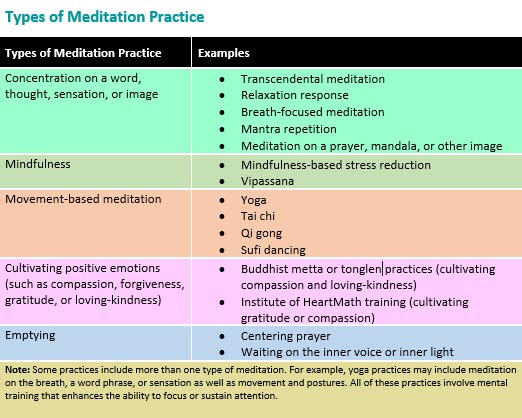
The most common types of meditation practice are concentration, mindfulness, movement based, cultivating positive emotions, and emptying. There are specific examples and ways to practice each type. See table. ​
Many meditation practices use breathing techniques to promote a state of calm. Mindfulness meditation on breath, perhaps the most well-known type, involves sitting quietly, resting or closing your eyes and bringing your attention to your breath. When your attention drifts away, which it is likely to do, simply usher your attention back to your breath without judgment.  You don't need years of meditative practice to benefit from this technique, nor do your children.
There's no doubt, however, that sitting still for any length of time can be difficult for some kids. For this reason, a movement-based meditation, such as yoga, may serve as a good introduction.

Research on the Benefits of Meditation in Children

Meditation is used to rest the mind, body and spirit. This, in turn, has many mental, physical, and spiritual benefits. Mindfulness meditation, specifically, is gaining a foothold in disease prevention and treatment.
A number of studies in school settings also show improved attention and behavior. Some research has shown benefits for attention deficit hyperactivity disorder (ADHD), anxiety, depression, school performance, sleep, behavior problems, and eating disorders. For example, a trial of 300 low-income, minority urban middle-schoolers using school-based mindfulness instruction led to improved psychological functioning and lower levels of posttraumatic stress disorder (PTSD) symptoms.
There are also physical benefits as it calms the nervous system and decreases stress hormones. Studies have shown benefits for gastrointestinal symptoms, obesity, headaches, high blood pressure, pain sensitivity, and immune function. For example, a trial looking at the effect of mindful breathing meditation at a summer camp of 166 teens at risk for cardiovascular disease found that breathing awareness produced a reduction in blood pressure and heart rate.

Meditation Tips

Meditation does not have a set of rules, but there are some tips that can help.

  • The length of time and frequency of meditating can vary for different people and different practices. But, pediatricians typically recommend the following time frames:
    • Preschool children: A few minutes per day.
    • Gradeschool children: 3-10 minutes twice a day.
    • Teens and adults: 5-45 minutes per day or more based on preference.
  • Try incorporating deep breathing into your children's daily bedtime routine—it can help them wind down for the night and make meditation easier to do when other situations arise.
  • Remind gradeschoolers and teens to take a few deep breaths before answering a difficult question at school, taking a test, or before an athletic performance.
  • As young children learn to manage strong emotions, deep breathing can be part of the process—especially before and after time outs.
  • While meditation can be done on your own, it can also be done with the help of a trained professional. Some counselors and individuals with training in meditation can help others learn and practice meditation.
  • Meditation is not currently covered by most insurance plans unless given by a licensed counselor. It is always best to check with your individual plan. Flexible medical spending programs may count meditation training as a medical expense.
  • There are multiple ways to learn different practices of meditation. There are books, audio recordings, videos, online training, websites, and even smartphone apps to help children meditate. Choose and practice the one that works the best for you and your child, and enjoy a calmer body, mind and spirit.

Talk to Your Pediatrician

Since meditation practices are generally safe and have many possible benefits, they can be used without much risk. As with any lifestyle change, however, it is best to discuss it with your child's pediatrician before adding meditative practices to your child's wellness routine.
​ 

Helping Children Handle Stress

Untitled design(1009)

How can we help our children handle the stresses of everyday life?

In middle childhood, pressures may come from a number of sources-from within the child herself, as well as from parents, teachers, peers and the larger society in which the child lives. Pressure can take many forms that challenge children and to which they must respond and, often, adapt. Whether these are events of lasting consequence like the divorce of their parents, or merely a minor hassle like losing their homework, these demands or stresses are a part of children's daily existence.
Children welcome some events and are able to adapt to them with relative ease. They perceive other events as threats to their own or the family's daily routines or general sense of well-being, and these stresses are more troublesome. Most stress faced by children is in the middle, neither welcomed nor seriously harmful, but rather a part of accomplishing the tasks of childhood and learning about themselves.
Youngsters may also worry about making friends, succeeding in school, combating peer pressure or overcoming a physical impairment. Whatever its form, if stress is too intense or long-lasting, it can sometimes take a toll on children. Clusters of stressful events seem to predispose children to illness. Major events, especially those that forever change a child's family, like the death of a parent, can have lasting effects on children's psychological health and well-being. Minor daily stresses can also have consequences. They can contribute to loss of sleep or appetite. Children may become angry or irritable or their school grades may suffer. Their behavior and their willingness to cooperate may change.

How different children cope with stress

Children's temperaments vary and thus they are quite different in their ability to cope with stress and daily hassles. Some are easygoing by nature and adjust easily to events and new situations. Others are thrown off balance by changes in their lives. All children improve in their ability to handle stress if they previously have succeeded in managing challenges and if they feel they have the ability and the emotional support of family and friends. Children who have a clear sense of personal competence, and who feel loved and supported, generally do well.
Certainly, a child's age and development will help determine how stressful a given situation may be. Changing teachers at midyear may be a major event for a child in the first grade and merely an annoyance for a sixth-grader. Being short may be a minor issue for a 5- or 6-year-old boy but a source of daily embarrassment for an adolescent. How a child perceives and responds to stress depends in part on development, in part on experience, and in part on a child's individual temperament.
Ironically, many parents believe that their school-age children are unaware of the stresses around them and are somehow immune to them. After all, their children not only have all their basic needs met, but perhaps they also have a roomful of toys, friends to share them with, plenty of playtime, and a full schedule of extracurricular activities.
Yet children are very sensitive to the changes around them, especially to the feelings and reactions of their parents, even if those feelings are not communicated directly in words. If a parent loses a job, children will have to adjust to their family's financial crisis; they must deal not only with the obvious family budgetary changes but also with the changes in their parents' emotional states. Children may have to cope with a bully on the playground, a move to a new neighborhood, a parent's serious illness or the disappointment of a poor sports performance. They might feel a constant, nagging pressure to dress the "right" way, or to achieve the high grades that can put them on the fast track toward the "right" college.

Stress and today's middle-years child

Some psychologists believe that today's middle-years youngsters actually are faced with more stress than the children of previous generations were and have fewer social supports available. The change in family structure from the large, supportive, extended families (including both parents, aunts, uncles and grandparents) of previous generations, to the present high incidence of divorced familiessingle-parent families and stepfamilies has drastically altered the experience of childhood. Millions of youngsters must adjust to such changes.
Even in intact and stable families, the growing number of households with two working parents often forces children to spend more time in after-school programs or at home alone. For some children this loss of time with their parents is quite stressful. So, too, is the responsibility for caring for themselves and the family home and sometimes for overseeing a younger sibling after school.
Many children and their families are stressed by the multiple activities that fill children's "free time.'' Overscheduled children with inadequate "down time'' can become exhausted.
Today's children are also being raised in an era in which they are exposed to violence and peer pressure about sexual activity and drug use and are warned to be cautious about kidnappingsexual abuse and other crimes. This sense that they are living in an unsafe world is a constant source of stress for some children. In short, today's youngsters are regularly confronted with challenges to their coping skills and often are expected to grow up too fast.

Good and bad stress

Not all stress is bad. Moderate amounts of pressure imposed by a teacher or a coach, for example, can motivate a child to keep her grades up in school or to participate more fully in athletic activities. Successfully managing stressful situations or events enhances a child's ability to cope in the future.
When the stress is continuous or particularly intense, it takes a toll on both the psyche and the body. Sudden stressful events will accelerate your child's breathing and heartbeat, constrict her blood vessels, increase her blood pressure and muscle tension and perhaps cause stomach upset and headaches. As stress persists, she might be more susceptible to illness and experience fatigue, nightmares, teeth-grinding, insomnia, tantrumsdepression and school failure.

DIY VALENTINE CARD IDEAS FOR THE CLASSROOM

Clementine-300x300

DIY VALENTINE CARD IDEAS FOR THE CLASSROOM


Here are some cute and inventive, last minute Valentine’s Day card ideas because your little kiddo just reminded you they needed to share with the class tomorrow and every store you stop at is out. Turn this year’s Valentine Debacle into smiles, laughs and giggles – in other words: family fun-time!

FRUIT INSPIRATIONS

Using free printables from the internet, markers, pens or construction paper. These valentines are healthy for your little one’s classmates too:
Clementine Valentine
Conversation Clementines
Fruit Valentine Idea
Pun-ny Fruit Notes
Fruit with hearts and notes
Marker Heart Notes

CRAFT PROJECTS

For the craftier family – yarn, construction paper and thread can produce these beautiful cards in a small amount of time.
Hearts and flowers
Heart Bouquet Card
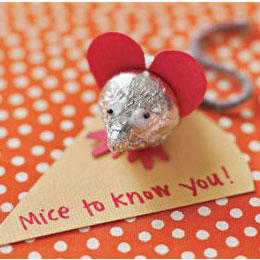
Mice to know you
Chocolate Kiss Mice
Our class would knot be the same
Bracelet Cards
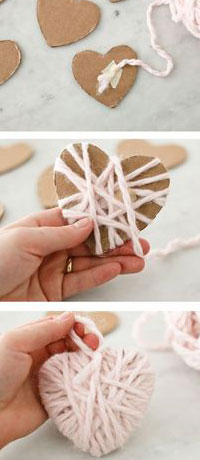
Wrap you up in my love
Wrapped Yarn Heart

FOOD TRANSFORMATIONS

The cards may be gone, but every grocery store stocks these items which can be easily transformed into adorable valentines your kiddos will rave about.
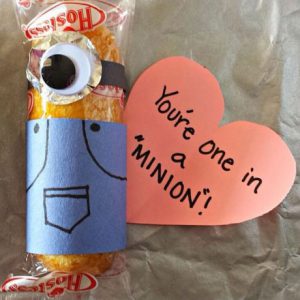
You're one in a minion
Minion Snack Cake
You're the raisin I'm smiling
Raisin Notes
You're a gem of a friend
Ring Pop Gem
Robot juice box and pudding pack
Robot Valentine

DOLLAR STORE GOLD

These awesome valentines speak for themselves. Your kid will be an instant hit when these are delivered.
Your friendship blows me away
Bubble Valentine
I think you are just write
Pencil Cupid
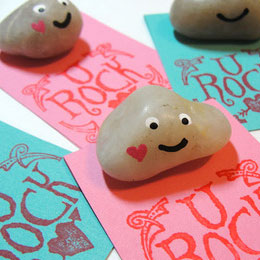
U rock
Pet Rock, U Rock
You quack me up
Rubber Duck, You’re the One

How to Keep Your Family Safe from Toxic Chemicals

By Kimberly Hiss

Let's get the bad news out of the way first: Toxins surround us. Far more chemicals are in our midst—85,000-plus by the Environmental Protection Agency’s count—than federal regulations to control them or studies to understand them. And these substances get into our bodies. Every year, the Centers for Disease Control and Prevention tests a sampling of the population’s breast milk, blood, and urine, and finds 200 to 300 synthetic chemicals in each person, says Parents advisor Philip J. Landrigan, M.D., director of the Global Public Health Program at Boston College.
While scientists have thoroughly studied individual toxins, they know far less about how they combine—a concept known as “exposome.” Jennifer Lowry, M.D., a toxicologist at Children’s Mercy Hospital, in Kansas City, Missouri, has her own word for this ubiquitous mix: “I call it sludge,” she says. “When you’re sitting in your living room, you’re not just inhaling flame retardants from your couch, or the dust from old lead paint, or the chemicals you tracked in on your shoes. You’re exposed to a combination of all of these.”
The good news: While you can’t prevent chemical exposure entirely, these easy tactics can lessen your fam’s toxin load. “Parents are the CEOs of their home,” says Dr. Landrigan. “You have the power to protect your kids.”

Air Things Out

If your neighborhood has good air quality, open windows to dilute indoor pollution, says Dr. Lowry. If possible, put big new purchases like mattresses or furniture made with glues, composites, paints, or stains in your garage or on your porch for a week to allow chemicals to disperse before you bring them inside.

Read Labels on Personal-Care and Cleaning Products

Look for brands that don’t use parabens, phthalates, oxybenzone, and triclosan. These chemicals have been shown to disrupt the endocrine systems of animals, says pediatrician Lauren Zajac, M.D., assistant professor of environmental medicine and public health at the Icahn School of Medicine at Mount Sinai, in New York City. Products labeled “fragrance free” typically meet this criteria, but plenty with fun scents do too. Scan scented brands for “phthalate-free” and “paraben-free” claims instead of relying on the ingredients list companies aren’t required to disclose what they use to create a fragrance. Another option: Make your own cleaning solution with equal amounts of vinegar and water, plus a little lemon.
If you discover that your family has already been using brands that contain these chemicals, switching them out will help almost immediately. Teens who replaced their typical personal-care products with chemical-free alternatives experienced as much as a 45 percent drop in their body’s level of these toxins in just three days in a recent study at UC Berkeley.

Remove Your Shoes

You wouldn’t dream of spraying weed killer in your family room. But did you know you can track in pesticide residue on the soles of your shoes up to a week after the lawn was sprayed? “Taking off your shoes at the front door can make a documentable difference in the number and concentration of contaminants in the house,” says Jerome A. Paulson, M.D., emeritus professor of environmental and occupational health at the George Washington University School of Medicine and Health Sciences, in Washington, D.C. He suggests adding a sticky mat (available at home-improvement stores) outside the door to help take contamination off the family pet too.

Don't Heat Plastics

“Heating weakens the material, allowing harmful chemicals to leach out,” says Alison Bernstein, Ph.D., assistant professor in the Department of Translational Science & Molecular Medicine at Michigan State University, in East Lansing. “In our house, we don’t regularly put any kind of plastic in the microwave or dishwasher.” As for parts of bottles or breast pump equipment that require sterilization, wash with hot, soapy water rather than microwaving.

Renovate Right

Buy paints with low or no volatile organic compounds (VOCs). After you paint, set up a window fan that blows in and out; and, when possible, sand and paint furniture outdoors. Adds Dr. Zajac: “I wouldn’t involve pregnant women or children in the process.”

Cut Down on Dust

“Household dust may contain lots of chemicals,” Dr. Zajac says. “So use a wet mop or a wet dust rag on a regular basis.” She swears by damp microfiber cloths for dusting; for homes with carpets, she suggests using a vacuum with a HEPA filter to pick up smaller particles.

Scrub Your Hands

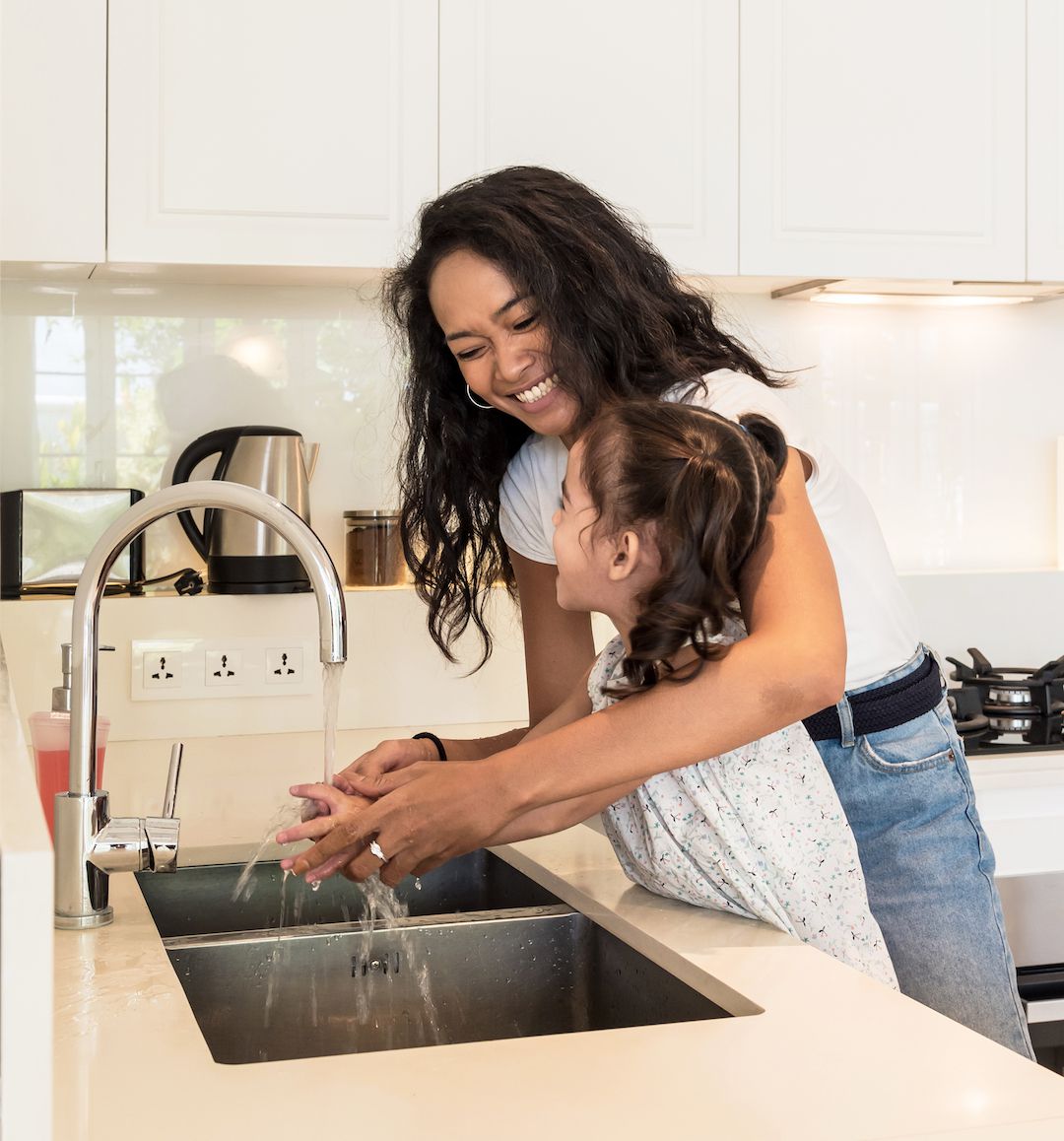
Soap and water don’t just remove nasty germs. Washing your child’s hands, especially before eating, is important to rinse off traces of chemicals she could have picked up from household dust or playing outside, Dr. Zajac says.

Stay Safe With Less Sunscreen

Protecting your child from the sun’s UV radiation is a top priority, and it requires using sunscreen, even though it contains chemicals. You can minimize the amount your kids (and you!) need by wearing UV-protective clothing, including a long-sleeved swim shirt. “I also have my daughter wear a wide-brimmed hat to protect her face and scalp,” Dr. Zajac says. She recommends avoiding spray-on sunscreen because children can breathe in the airborne particles.

Take Good Care of Your Toys

It’s tough to tell what a child’s playthings are made of, so if toys are chewed, scratched, or chipped, it’s time to toss them, Dr. Lowry says. “I used to periodically rinse or wipe my daughter’s toys when she was an infant because they accumulated dust that she then put in her mouth,” Dr. Zajac adds.
Parents Magazine

9 Ways to Maximize Family Time

9 Natural Toddler Cough Remedies

9 Seriously Germy Places—And How to Protect Your Child

By Sandra Gordon
There's no escaping from germs and bacteria—some of which can get your child sick. Follow these guidelines to protect your little one in germ-infested hotspots.

The Playground

Your local jungle gym is more germ-infested than a public bathroom, according to one study. Why? "Restrooms tend to get disinfected often," says researcher Kelly Reynolds, PhD, associate professor at the University of Arizona College of Public Health, in Tucson. "But playground equipment almost never gets cleaned." Harmful germs—such as those in the mucus that kids wipe from their noses—can linger for days. Sandboxes are gross too: Squirrels and birds can leave behind fecal matter, which may cause stomach illnesses and skin infections in young kids.
Staying Safe at the Playground
Tempted to clean ladders and handles with a disinfecting wipe? Don't bother. It's practically impossible to get rid of all the germs. Instead, teach your child not to touch her mouth, nose, or eyes when she's at the playground, and clean her hands with an alcohol-based hand gel before you leave the park. And if you have a backyard sandbox, keep it covered when you're not using it.

Ball Pits

Enclosed play areas containing plastic balls, which are popular at kids' gyms and fast-food restaurants, are among the dirtiest places to let your child roam. In fact, researchers at the University of North Georgia found 31 types of bacteria in the ball pits of six physical-therapy clinics. "Kids with leaky diapers play in them, and the pits rarely get cleaned," says Dr. Reynolds. A child's feces can contain E. coli, rotavirus, and salmonella, all of which can cause severe vomiting and diarrhea. Young children can also pass germs onto the balls with their hands and feet.
Staying Safe in Ball Pits
Although ball pits may have a high risk factor, they’re low risk for kids, says Adam Ratner, M.D., director of the Division of Pediatric Infectious Diseases in Hassenfeld Children’s Hospital at NYU Langone. “Your child can come into contact with these bacteria anywhere,” says Dr. Ratner. Those like Streptococcus oralis and Staphylococcus hominis may sound scary, but they’re not just crawling in ball pits; they also live on virtually every kid’s skin and tongue. Unless your child has skin lesions or a compromised immune system, playing in a germy ball pit shouldn’t put him at any higher risk for infections. However, do keep in mind that cleaning standards and schedules vary widely from one pit to another. Ask when the balls were last sanitized. If the attendant doesn’t know (or you smell something funky), it’s best to stay out. As always, common-sense precautions apply: Your kid should wash his hands before and after he jumps in, and you should make sure he’s up to date on his vaccinations

Petting Zoos

Petting zoos have been linked to major E. coli outbreaks in recent years. It's not hard to see why: Farm animals aren't choosy about where they lie down, and traces of feces from an animal's fur or saliva could easily get onto your child's hands—and (yuck!) into her mouth.
Staying Safe at Petting Zoo
Don't take a child younger than age 3 to a petting zoo (or, if you do, let her look but not touch). "No matter how much you warn her not to, a young child is likely to put her fingers in her mouth," says Andrew Nowalk, MD, PhD, assistant professor of pediatrics at the University of Pittsburgh School of Medicine. Even older kids need reminders not to touch their mouths after petting—and to use an alcohol-based hand gel when they're done.

Water Fountains

A typical drinking fountain contains more harmful germs than a public toilet seat, according to a recent study at elementary schools by NSF International, a nonprofit health and safety organization based in Ann Arbor, Michigan. Kids tend to touch the spigot with their fingers or their mouth, passing on germs to the next person who drinks. Cold and flu viruses can live on the metal for up to five hours.
Staying Safe with Drinking Fountains
Teach your child to keep his lips (and fingers) off the spigot and let the water run for a few seconds before sipping. "That helps wash away harmful organisms," says Robert Donofrio, director of the microbiology lab at NSF International. Or take along a separate water bottle—just make sure he's the only one who drinks from it.

Shopping-Cart Handles

Supermarket workers and shoppers are constantly touching cart handles and spreading germs. If the blood from raw meat reaches a handle, your child could ingest harmful bacteria, including E. coli, salmonella, and campylobacter
Staying Safe while Grocery Shopping
Clean the handle with a disinfecting wipe before putting your child in the cart. If you buy a shopping-cart cover, keep in mind that these can also carry germs (which survive longer in fabric than on a plastic handle), so you should wash them regularly.

Children's Museums

Those buttons your child presses to activate electronic exhibits have been pushed by dozens of other little hands, making them major bug conductors. And elevator and vending-machine buttons are just as germy.
Staying Safe at Children’s Museums
 Tell your child not to touch his eyes, nose, or mouth at a children's museum. You don't have to spoil his fun by keeping him away from the interactive exhibits, but make sure he washes his hands or uses a hand cleanser afterward.

Public High Chairs

A restaurant may be kid-friendly, but that doesn't mean it's germ-proof. Chances are the chair you plop your toddler into hasn't been cleaned since the last child used it. Your home high chair may not be so clean either: Germs commonly fester in corners and crannies you can't reach.
Staying Safe at Restaurants
Bring a disposable high-chair cover to restaurants, or use a disinfecting wipe to clean the high chair. Wipe down your child's home high chair after every meal with disinfecting spray and a paper towel (the sponge you use to clean dishes or wipe counters could contain harmful germs). Also consider getting a model made with antimicrobial plastic, which does some of the germ-killing for you.

Computer Keyboards

There are more germs on school computer keyboards than on doorknobs, according to the NSF study. That's because door handles are polished daily; keyboards are rarely (if ever) cleaned.
Staying Safe While Using Computers
Teach your child to sneeze into the crook of her arm and to blow her nose with a tissue, so she's less likely to spread germs to keyboards and computer mice. At home, have her wash her hands before and after using the computer. Wipe the keyboard with a disinfectant cloth once a week—and whenever someone with a cold uses it.

Your Pediatrician's Waiting Room

Don't be fooled by the antiseptic smell. With all the sick little patients (especially during cold and flu season), the doctor’s waiting room is a virtual petri dish. Then there's your busy doctor: If he forgets to wash his hands after seeing each patient, he could transmit viruses to your child.
Staying Safe at the Doctor’s Office
Have your child wash her hands before going to the doctor so she'll be less likely to pass along a bug to other kids. If she's just getting a checkup, ask whether there's a well-child waiting area (where the germ load is probably a lot lower). Take along your own toys and books so she isn't tempted to play with communal ones. "The last thing you want is for your healthy child to contract an illness at the doctor's office," Dr. Nowalk. It's also perfectly acceptable to ask the doctor and the nurse whether they've washed their hands before they touch your child. "It's smart, not rude," says Dr. Nowalk. "I wish parents asked me more often."

Asthma Fables and Facts

Although our knowledge of asthma is expanding year by year, many people still cling to outdated beliefs about the disease. Following are some that are often repeated:


Fable: Asthma comes and goes.
Fact: Asthma is often an inflammatory condition that is always in the airways, even when the person is not having trouble breathing. Exposure to an asthma trigger can worsen symptoms, but the underlying condition never goes away, although it can be controlled with medications and environmental control measures.
Fable: Asthma is an emotional disorder; it’s “all in the mind.”
Fact: Asthma is a lung disease; it affects the airways, not the brain. It’s true that symptoms may get worse when a person is under emotional stress, but this is probably more marked in adults and less so in children. Changes in the airways in asthma occur through physiological mechanisms, not emotional ones.
Fable: People with asthma should use medications only when they have attacks; otherwise, the medications lose their effect.
Fact: Regularly using medications is the only way to calm the underlying airway inflammation and prevent asthma flare-ups. Used at the correct dosage, daily medications do not lose their effect or cause uncomfortable side effects. Effective antiasthma medications include inhaled beta-agonists such as albuterol to stop attacks, and inhaled steroids, long-acting beta-agonists, and leukotriene modifiers to prevent attacks from occurring at all.
Fable: Asthma is just an annoying condition, not a real disease.
Fact: Asthma can kill when people do not get treatment to control the underlying condition and stop severe attacks. If everybody who needed medications used the proper ones to control symptoms and prevent flare-ups, hospitalizations and deaths from asthma would be greatly reduced.
Fable: Children grow out of asthma.
Fact: Most people who have asthma are born with a tendency to the condition and keep it for life. It is true many children get much better with age, and their asthma appears to go away completely. However, many have it return in adulthood. Other children who still have asthma are less likely to lose their asthma as they go in to their adult years.
Fable: Asthma clears up when you move to a warm, dry climate.
Fact: If the proper environmental measures are taken and medications are regularly used, people with asthma can live comfortably in any climate they prefer. Very rarely do people ever have to move out of a city or other area because of their asthma.
Last Updated
11/21/2015
Source
Guide to Your Childs Allergies and Asthma (Copyright © 2011 American Academy of Pediatrics)

Causes of ADHD: What We Know Today

Causes of ADHD: What We Know Today

Causes of ADHD: What We Know Today
​Attention deficit hyperactivity disorder (ADHD) is a neurobiologic condition whose symptoms are also dependent on the child's environment.
ADHD is now one of the most common and most studied conditions of childhood.

Research to date has shown ADHD may be caused by a number of things: 

  • Brain anatomy and function. A lower level of activity in the parts of the brain that control attention and activity level may be associated with ADHD. See ADHD and the Brain from Understood.org. 
  • Genes and heredity. ADHD frequently runs in families. A child with ADHD has a 1 in 4 chance of having a parent with ADHD. It’s also likely that another close family member, such as a sibling, will also have ADHD. Sometimes,  ADHD is diagnosed in a parent at the same time it is diagnosed in the child. See Inheriting Mental Disorders.
  • Significant head injuries may cause ADHD in some cases.
  • Prematurity increases the risk of developing ADHD.
  • Prenatal exposures, such as alcohol or nicotine from smoking, increase the risk of developing ADHD.
  • In very rare cases, toxins in the environment may lead to ADHD. For instance, lead in the body can affect child development and behavior.

There is no evidence that ADHD is caused by: 

  • Eating too much sugar
  • Food additives
  • Allergies
  • Immunizations

Why do so many children have ADHD?

The number of children getting treatment for ADHD has risen. It is not clear whether more children have ADHD or more children are receiving a diag­nosis of ADHD. Also, more children with ADHD are getting treatment for a longer period.
According to national data, ADHD affects about 9.4% of U.S. children ages 2-17―including 2.4% of children ages 2-5 and 4%-12% of school-aged children. Boys are more than twice as likely as girls to be diagnosed with ADHD. Both boys and girls with the disorder typically show symptoms of an additional mental disorder and may also have learning and language problems.

Because of more awareness and better ways of diagnosing and treating this disorder, more children are being helped. 

It may also be the case that school performance has become more important because of the higher ­technical demand of many jobs, and ADHD frequently interferes with school functioning.